
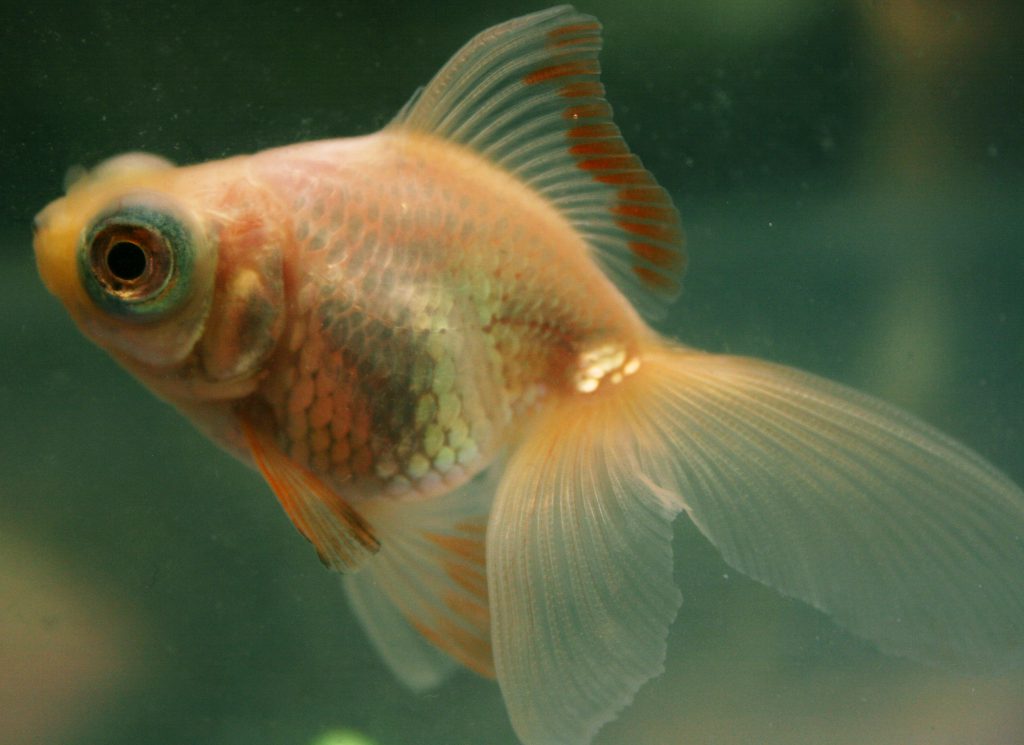
The welfare of ornamental fish remains one of the least developed areas within animal protection, despite the high physiological sensitivity of many aquatic species. This protocol promotes an approach based on environmental stability, stress reduction, and the maintenance of water parameters compatible with the specific biological needs of each species.
Key recommendations include maintaining stable temperature, pH, oxygenation, water quality, filtration, and nitrogen cycle parameters, avoiding sudden changes that may generate severe physiological stress. Population density should be adapted to the size, behavior, territoriality, and social compatibility of each species, preventing overcrowding and inappropriate coexistence.
The protocol also recommends providing refuges, vegetation, substrate, and environmental structures that allow natural behaviors and reduce territorial conflicts. Vibrations, impacts on aquariums, excessive human traffic, inappropriate lighting, and sudden environmental changes should be minimized.
Transport should be reduced whenever possible, quarantine conditions should be improved, and chronic stress situations associated with immunosuppression, disease, aggression, or poor environmental design should be actively prevented. The objective is to recognize fish welfare as a serious and measurable component of animal care.