
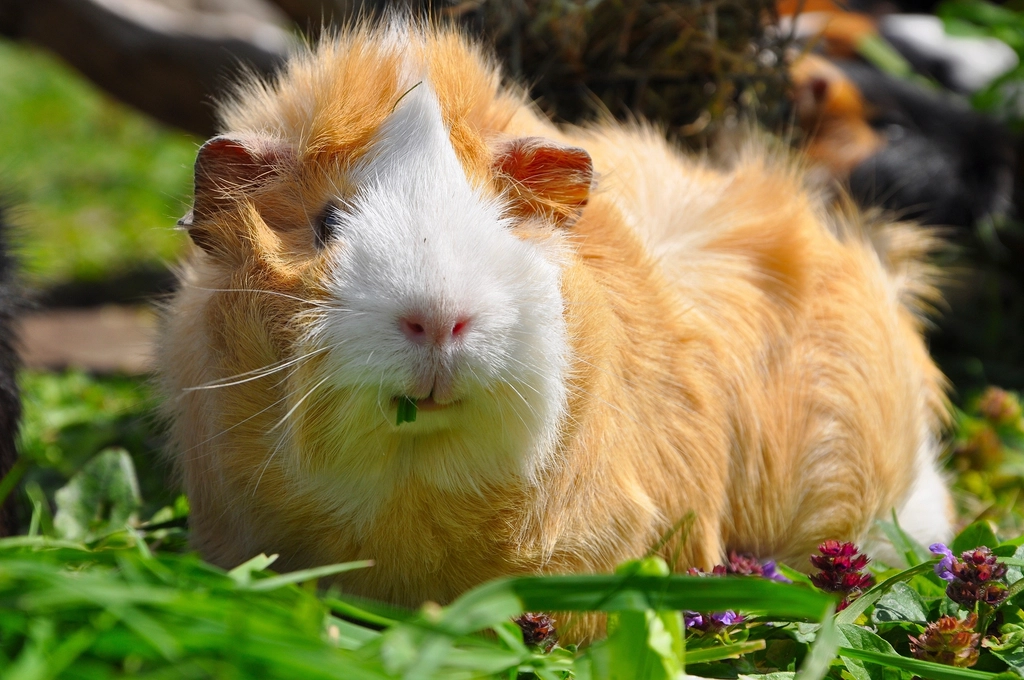
Exotic small mammals, including ferrets, rabbits, guinea pigs, chinchillas, hamsters, rats, and domestic mice, have highly specific physiological, behavioral, and emotional needs that are often underestimated in both clinical settings and daily care environments. This protocol promotes a more advanced approach to small mammal welfare based on stress reduction, environmental adaptation, species-specific management, and respect for natural behaviors.
Key recommendations include avoiding enclosures that are too small or lack appropriate stimulation, providing safe hiding areas, and ensuring daily opportunities for exploration, movement, and natural behavior. Particular attention should be given to substrate quality, ventilation, environmental enrichment, temperature stability, and social stability in species with strong social needs.
For ferrets, the protocol recommends daily routines that include play, exploration, and physical activity outside the enclosure, avoiding prolonged confinement and monotonous environments. For rats and mice, social interaction, cognitive stimulation, nesting opportunities, and environmental complexity are especially important to prevent chronic stress and behavioral disorders.
The protocol also encourages reducing abrupt handling, avoiding constant exposure to intense noise, and identifying early signs of emotional or physical deterioration, such as apathy, self-mutilation, aggression, repetitive behaviors, or social withdrawal. The objective is to promote husbandry and clinical care models that are more compatible with the physical and psychological welfare of these frequently underestimated animals.